Smart Home for Beginners: Essential Devices to Start
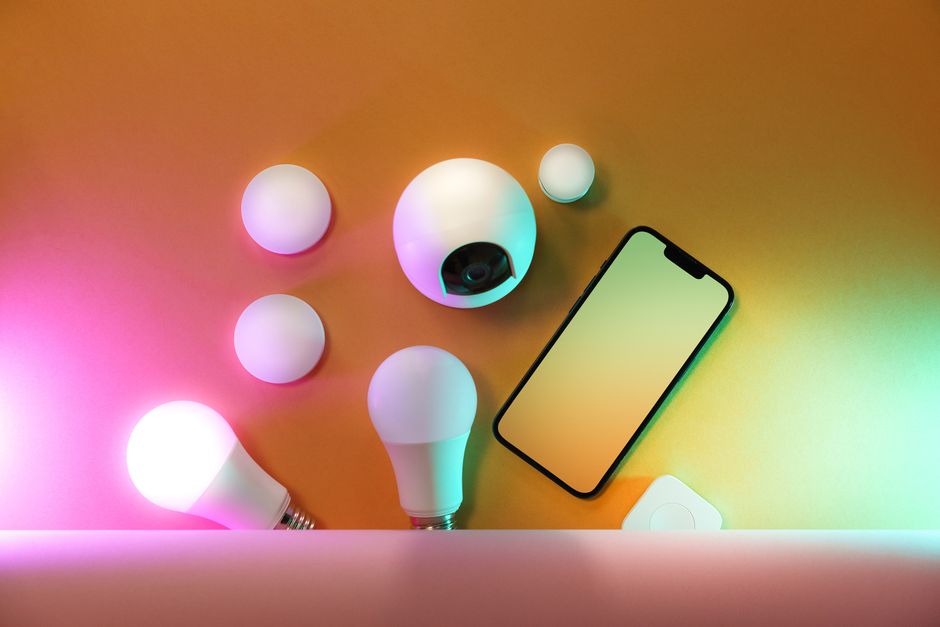
Embarking on the smart home journey can be both exciting and overwhelming, especially with the vast array of devices available on the market. For beginners, understanding which devices offer the most value and how they integrate into daily life is key to building a functional and cohesive system. This article aims to provide a clear starting point by exploring essential categories of smart home technology, focusing on how they contribute to convenience, security, and energy efficiency.
The concept of a smart home revolves around automating and remotely controlling household functions to improve quality of life. However, starting small and expanding gradually is often the most practical approach. By selecting devices that are compatible with each other and with common platforms, you can create a foundation that grows with your needs. Below, we delve into the fundamental types of devices that form the core of many smart home setups.
Understanding Smart Home Hubs and Platforms
Before diving into individual devices, it’s important to understand the role of a smart home hub or platform. A hub acts as a central point that connects various devices, enabling them to communicate with each other and with your smartphone. Many modern devices use Wi-Fi or Bluetooth, but others rely on protocols like Zigbee or Z-Wave, which often require a hub for full functionality. However, many voice assistants, such as Amazon Alexa, Google Assistant, and Apple HomeKit, can act as virtual hubs, allowing you to control compatible devices directly through their apps or voice commands.
For beginners, starting with a platform that you are familiar with can simplify the process. For instance, if you already own a smartphone with a voice assistant, you can begin by choosing devices that are compatible with that assistant. This ensures seamless control without the need for additional hardware. It’s also advisable to check whether devices support ecosystem compatibility to avoid fragmentation. While hubs can offer more advanced automation capabilities, they are not strictly necessary for basic setups.
When planning your smart home, consider the longevity of the platform. TechPulse Reviews notes that keeping your devices updated and ensuring they support ecosystem compatibility is vital for long-term satisfaction. It’s also worth understanding the difference between cloud-based and local control, as some devices require an internet connection for remote access, while others can operate locally when your network is down. Being informed about these technical aspects helps in making decisions that align with your preferences and internet reliability.
Voice Assistants and Smart Speakers
Voice assistants have become the central interface for many smart homes, and smart speakers are often the entry point for beginners. These devices allow you to control other smart devices, play music, set timers, ask questions, and manage daily schedules using voice commands. When choosing a smart speaker, consider the ecosystem it belongs to, as it will influence future device selections. For example, an Amazon Echo device works seamlessly with Alexa-compatible gadgets, while a Google Nest speaker integrates with the Google Home ecosystem.
The convenience of controlling multiple devices through a single command cannot be overstated. For instance, you might say, “Hey [assistant], turn off the living room lights” or set a routine that dims the lights and plays relaxing music at a certain time. These interactions can streamline daily routines, making the home feel more responsive to your needs. However, it’s essential to be mindful of privacy, as these devices are always listening for wake words. Modern devices offer privacy controls such as muting microphones and deleting voice recordings, which you can activate according to your comfort level.
For those who prefer not to have a smart speaker in every room, many smart displays offer the same functionality with a visual interface, which can be useful for video calls or following recipes. Additionally, voice assistants are not limited to speakers; they are also integrated into smart TVs, car systems, and even appliances, extending the reach of voice control throughout your environment.
Smart Plugs and Switches
Smart plugs and switches are among the most accessible and versatile smart home devices. They allow you to turn ordinary appliances and lamps into smart devices by providing remote control and scheduling capabilities. By plugging a lamp into a smart plug, you can schedule it to turn on at dusk or turn off when you leave the house, contributing to both convenience and energy efficiency. For devices that are hardwired, smart switches can replace standard wall switches, enabling control over ceiling lights and fans.
One of the key benefits of smart plugs is their simplicity. They typically require no permanent installation; you simply plug them into an outlet and pair them with your platform. Many models also include energy monitoring, which provides insights into how much electricity your devices consume. This information can be valuable for identifying energy-hungry appliances and adjusting usage patterns. However, it’s important to check the power rating of your smart plug to ensure it can handle the device you intend to control, especially for high-wattage appliances like space heaters or air conditioners.
Smart switches, on the other hand, require some electrical knowledge and may need professional installation, but they offer a more permanent and aesthetically pleasing solution. They can also control lighting scenes, such as setting a specific intensity or color temperature, depending on the model. For renters or those who prefer a non-invasive approach, smart bulbs might be a better alternative, as they replace existing bulbs without changing the switch itself.
Smart Lighting Solutions
Smart lighting goes beyond simple on/off control, offering functionality such as dimming, color changes, and scheduling. This category includes smart bulbs, smart light strips, and smart fixtures, all of which can be controlled via apps or voice commands. The ability to adjust lighting color and brightness can transform the ambiance of a room, supporting different activities and moods. For instance, brighter, cooler light can boost productivity, while warmer, softer light can promote relaxation in the evening.
Automation plays a significant role in energy efficiency. By setting schedules that align with your daily routine, you can ensure lights are only on when needed. Many smart lighting systems also include motion sensors or can integrate with other sensors to turn on lights when you enter a room and turn them off when you leave. This not only saves electricity but also adds a layer of convenience, especially when your hands are full.
When selecting smart lighting, consider the compatibility with your existing light fixtures and the type of dimming capability you prefer. Some systems require a neutral wire, which may not be present in older homes. Additionally, color-changing bulbs offer a wide spectrum of possibilities, but standard tunable white bulbs can be sufficient for most needs. Always check the lumen output and color rendering to ensure they meet your expectations.
Smart Thermostats and Climate Control
Smart thermostats are a cornerstone of energy efficiency in smart homes. They learn your heating and cooling preferences over time and automatically adjust settings to optimize comfort while reducing energy waste. By sensing occupancy and your schedule, they can set back temperatures when no one is home and pre-condition your space before you return. Many smart thermostat models also provide detailed energy usage reports, allowing you to see how your HVAC system performs and identify potential savings.
The installation of smart thermostats may require a common wire (C-wire) for continuous power, though many can work without it using alternative methods. It’s advisable to consult with a professional if you’re unsure about your system’s compatibility. Some thermostats support geofencing, which uses your smartphone’s location to determine when you’re away, automatically adjusting the temperature accordingly. This feature adds convenience and can lead to significant energy savings over time.
In summary, smart thermostats not only enhance comfort but also contribute to a more energy-efficient home. However, their effectiveness depends on your HVAC system’s condition and your usage patterns. They are most beneficial when used consistently and paired with proper home insulation.
Smart Locks and Security Cameras
Security is a fundamental aspect of any smart home. Smart locks offer keyless entry, allowing you to lock and unlock your door remotely or via codes, which eliminates the need for physical keys. This is particularly useful for letting in guests, service providers, or family members when you’re away. Many smart locks also integrate with video doorbells and security systems, providing a comprehensive entry management solution.
Video doorbells have gained significant popularity; they feature a camera and microphone that allow you to see and speak to visitors from your smartphone. Some models include motion detection, sending alerts when someone approaches your door. These devices can act as a deterrent and provide peace of mind. Additionally, security cameras placed around your property can offer continuous monitoring, both indoors and outdoors. When setting up cameras, consider their field of view, resolution, and night vision capabilities.
Privacy and data security are paramount when using such devices. It’s essential to use strong Wi-Fi passwords, enable two-factor authentication, and regularly update firmware. While these devices enhance security, they are not foolproof; they should be part of a broader approach that includes other measures like good lighting and proper door reinforcement.
As with any technology, it’s wise to research and select devices that meet your specific needs. TechPulse Reviews emphasizes the importance of checking reviews and verifying compatibility to ensure a smooth experience. Starting with these essential categories forms a solid foundation, allowing you to expand your smart home gradually as you become more comfortable with the technology.