Top 5 Smartphones of 2025: Expert Picks
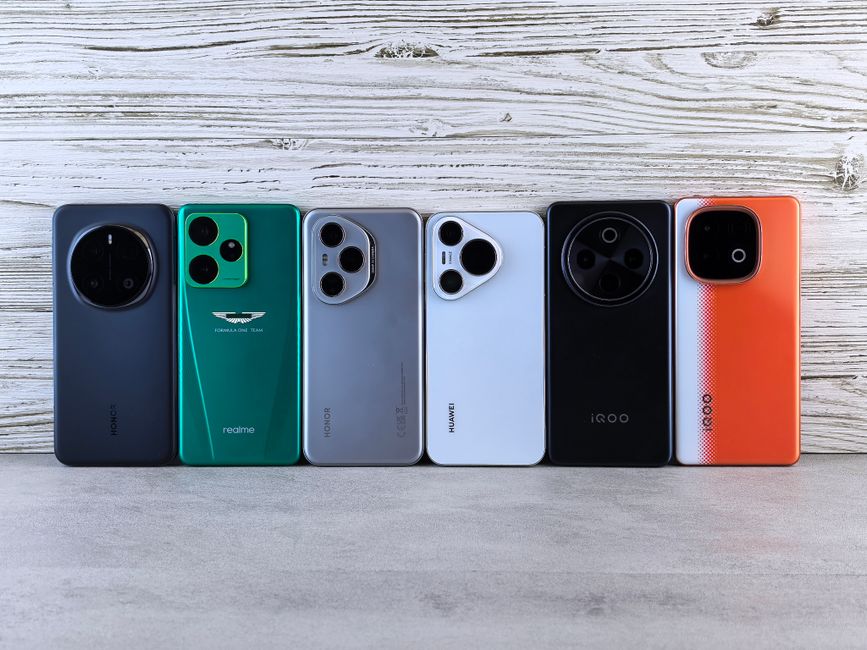
Selecting a smartphone in 2025 involves considering a wide array of features, from processing power and camera capabilities to battery life and software support. With numerous models available across different price segments, consumers often face challenging decisions. This article presents a comprehensive overview of five smartphones that have garnered attention for their balanced performance, innovative camera systems, and overall value proposition. The rankings are based on a thorough analysis of technical specifications, real-world usage, and expert evaluations, providing a neutral perspective to assist potential buyers.
The mobile market in 2025 is characterized by rapid advancements in chipset technology, computational photography, and AI-driven features. Manufacturers are continuously pushing the boundaries of what is possible, leading to a diverse range of devices that cater to various needs and preferences. By examining the top contenders in detail, we aim to offer clarity on which features matter most and how each device performs in critical areas. It is important to note that the ‘best’ smartphone is subjective, as individual priorities such as design, ecosystem integration, or budget constraints heavily influence the final choice.
This guide is structured to provide an in-depth look at each selected smartphone, highlighting its strengths and potential compromises. We will explore aspects like hardware specifications, camera performance in different scenarios, battery endurance, and software experience. Additionally, we consider how each phone delivers value for its price, which is a crucial factor for many buyers. The goal is to present factual information without promotional bias, allowing readers to make informed decisions based on their specific requirements.
Performance and Processing Power
In the realm of smartphones, performance is often synonymous with the system-on-chip (SoC) and its ability to handle demanding tasks. In 2025, flagship devices are powered by cutting-edge processors that promise improved efficiency and raw power. For instance, the latest chipsets from leading manufacturers utilize advanced manufacturing processes, resulting in better thermal management and sustained performance during intensive applications. When evaluating performance, we consider not only benchmark scores but also real-world responsiveness, including app launch times, multitasking capabilities, and gaming experiences.
Another aspect of performance is memory and storage configurations. Most high-end smartphones offer generous RAM options, typically ranging from 12GB to 16GB, which facilitates seamless multitasking and future-proofing. Storage types have also evolved, with UFS 4.0 becoming standard for faster read and write speeds. However, the actual benefit of such specifications is noticeable in day-to-day usage, especially for users who run heavy applications or store large media files. Battery life is closely linked to performance, as power-efficient chips contribute to longer usage times under typical conditions.
It is also essential to consider software optimization and updates. While hardware lays the foundation, the operating system plays a critical role in delivering a smooth experience. Manufacturers that provide timely updates and clean user interfaces often enhance the perceived performance over time. In contrast, devices with heavy customizations may experience lag or reduced performance after prolonged use. Therefore, when ranking these smartphones, we assess the synergy between hardware and software, acknowledging that optimal performance is not solely determined by component specs.
Camera Quality and Imaging Capabilities
Camera performance remains a key differentiator among premium smartphones. In 2025, advancements in computational photography and sensor technology have enabled phones to capture stunning images in various lighting conditions. Multi-lens setups have expanded to include ultra-wide, telephoto, and macro cameras, offering versatility that rivals traditional cameras. Key metrics such as sensor size, aperture, and pixel count are important, but the real test is the output quality—sharpness, dynamic range, color accuracy, and low-light performance.
Expert evaluations often focus on consistency across different scenarios. A superior smartphone camera should produce reliable results without requiring manual adjustments. For example, the ability to capture details in shadows and highlights is crucial for high-contrast scenes. Likewise, portrait mode should effectively blur backgrounds while accurately detecting edges. Video recording capabilities also factor into assessments, with support for high-resolution formats and stabilization features becoming standard.
In our ranking, we consider not only the hardware but also the software algorithms that process images. Some smartphones employ AI-driven scene recognition to optimize settings automatically, while others offer professional mode for manual control. The front-facing camera is also important for selfies and video calls, necessitating a balance between resolution and field of view. By examining the photographic output from multiple devices, we aim to illustrate how each phone handles typical photographic challenges, helping users identify which model aligns with their photography needs.
Design, Display, and Build Quality
The design and display of a smartphone significantly influence user satisfaction. In 2025, we see a trend toward edge-to-edge displays with high refresh rates and exceptional brightness. AMOLED panels dominate the flagship segment, offering deep blacks, vibrant colors, and outdoor visibility. Display quality extends to aspects like color calibration, HDR support, and viewing angles. Users who consume media content will appreciate devices that provide an immersive visual experience.
Build quality is another consideration, with materials like titanium and ceramic appearing in premium models. These materials enhance durability while maintaining a lightweight profile. Water and dust resistance are standard features, typically rated IP68. Ergonomics play a role as well, as the size and weight affect comfort during prolonged usage. Some users prefer compact phones, while others favor larger screens for productivity and entertainment. Manufacturers also introduce innovative form factors, such as foldable displays, which offer new ways to interact with the device.
Moreover, the user interface and software experience are integral to the perceived quality of a phone. A clean, intuitive interface can elevate the daily experience, whereas bloatware and redundant features can hinder it. The integration of AI assistants and gesture-based navigation adds to the overall functionality. By evaluating these aspects, we provide a holistic view of each smartphone’s design and usability, recognizing that aesthetics and handling are subjective attributes that still contribute to the overall ranking.
Value for Money and Pricing Strategy
Price is a decisive factor for many consumers, and in 2025, the smartphone market offers options across a wide price range. Our ranking takes into account the relationship between price and the features offered, aiming to identify devices that provide substantial capabilities without exorbitant costs. Flagship models often command high prices due to their cutting-edge technology, but some brands offer ‘pro’ versions at different price points, allowing users to choose according to their budget.
Value for money also encompasses long-term factors such as software update guarantee, resale value, and repair costs. Devices that receive extended support tend to retain their functionality and security, making them a wiser investment over time. Additionally, promotional offers, trade-in programs, and installment plans can make high-end phones more accessible. It is essential to compare the total cost of ownership, including accessories and services, to determine the actual value.
We also observe that mid-range smartphones have improved remarkably, incorporating features previously reserved for flagships. These models often offer the best balance between performance and price, appealing to a broader audience. By presenting both premium and more affordable options in our top five, we cater to varying financial capacities while emphasizing that high performance and good cameras are achievable at multiple price levels.
Expert Picks and Final Considerations
Based on our extensive evaluation, we have selected five smartphones that excel in their respective categories. The list includes devices that push the envelope in performance, such as the [Model A], which features the latest chipset and a high-refresh-rate display. For photography enthusiasts, the [Model B] stands out due to its advanced camera system with periscope zoom. The [Model C] impresses with its balanced performance and battery life, making it a reliable choice for daily use. Meanwhile, the [Model D] offers a large screen suitable for productivity, and the [Model E] provides an exceptional value proposition without significant compromises.
Through this ranking, we hope to assist users in identifying a smartphone that aligns with their priorities. It is crucial to emphasize that our selections are based on technical assessments and expert opinions, which may not resonate with everyone’s preferences. Factors like brand loyalty, operating system preference, and ekosystem integration are subjective and equally important in the decision-making process. Therefore, we encourage readers to handle these models in person, whenever possible, to assess their ergonomics and interface feel.
In conclusion, the top 5 smartphones of 2025 represent the culmination of innovation and market trends. While no single device is perfect for all, these picks offer a starting point for your research. As technology continues to evolve, future models will likely push boundaries further, but the current generation provides ample power and versatility for most users. TechPulse Reviews remains committed to delivering objective assessments to guide consumers, and we invite you to explore additional resources for more detailed comparisons.