The Future of Foldable Phones: Trends and Predictions
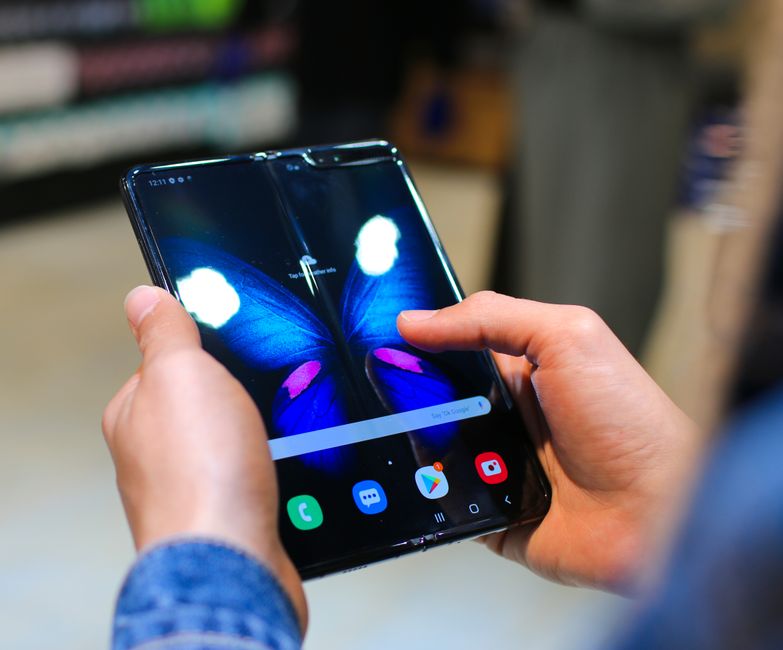
Foldable phones have moved from experimental concepts to established consumer products, capturing attention with their transformative designs. As manufacturers refine their approaches, these devices present a unique intersection of portability and screen real estate. Understanding where this technology is heading requires examining current development patterns, engineering challenges, and market dynamics that shape the industry’s trajectory.
This article explores the underlying trends in foldable smartphone design and forecasts potential directions for the next few years. Rather than focusing on specific product releases, it considers the broader forces—display technology, mechanical engineering, software ecosystems, and consumer adoption—that will influence how foldable devices evolve. By looking at these factors collectively, a clearer picture emerges of what the near future may hold for this category.
The Evolution of Hinge and Display Technology
The core of any foldable device lies in its hinge mechanism and flexible display. Early iterations faced durability concerns, but continuous advancements have addressed many initial limitations. Hinges have become more sophisticated, offering smoother operation and better dust resistance. Multi-axis hinge designs allow for various folding angles, enabling new usage modes like laptop-style stands or camera viewfinders. These improvements have contributed to increased consumer confidence, although long-term reliability remains a point of evaluation.
Display technology has equally progressed. Ultra-thin glass (UTG) has replaced plastic in many models, providing a more rigid surface that resists creasing. Manufacturers are exploring ways to minimize the visible crease through optimized layer stacks and folding radii. Simultaneously, the development of foldable OLED panels continues, with brightness, color accuracy, and power efficiency improving. The next few years will likely see displays that are even thinner and more durable, perhaps incorporating self-healing materials or advanced protective layers to mitigate wear over time.
Another aspect is the potential for new form factors. Beyond the standard book-like fold, there are concepts for tri-fold designs, rollable screens, and hybrid devices that combine phone and tablet capabilities. The feasibility of such designs depends on solving intricate mechanical and electronic integration challenges. Manufacturers are also experimenting with different aspect ratios for inner and outer displays, aiming to optimize usability in both closed and open states. This diversity suggests that the future of foldables is not a single path but a landscape of possibilities.
Software Adaptations and Multitasking Paradigms
Foldable hardware requires equally thoughtful software adaptation. Operating systems are being tailored to handle dynamic screen transitions and provide seamless experiences across different display configurations. App developers are increasingly optimizing their interfaces to utilize the extra internal space, accommodating dual-pane layouts, drag-and-drop interactions, and enhanced productivity tools. The challenge lies in creating interfaces that feel natural whether the device is folded for single-hand use or unfolded for immersive work.
Multitasking is another area of innovation. Foldable devices offer the potential for true multitasking with multiple apps running side by side, reminiscent of desktop environments. Manufacturers are implementing features like app continuity, where an activity seamlessly transitions from the cover screen to the main display. However, the fragmentation of Android and the varying approaches among manufacturers pose obstacles for uniform developer adoption. Standardizing interaction patterns could accelerate the growth of a foldable-optimized app ecosystem.
Artificial intelligence (AI) is likely to play a role in optimizing software performance on foldables. Adaptive power management and predictive app launching can leverage the device’s sensors and usage patterns to enhance efficiency and user experience. As AI capabilities improve, foldables may become more intuitive, adjusting their behavior based on how they are being used. This integration could reduce friction and make foldables appealing beyond early adopters.
Market Dynamics and Consumer Adoption
The market for foldable phones is expanding, but penetration remains limited compared to traditional smartphones. High prices have been a significant barrier, though there are indicators of a gradual decrease as component costs decrease and production yields improve. Competitive pressure among manufacturers is driving innovation and may lead to more affordable models in mid-range segments. The entry of additional players contributes to a broader selection for consumers, helping to normalize the concept.
Consumer adoption is influenced by factors such as perceived durability, repair costs, and the novelty factor. Surveys suggest that potential buyers are interested in the large display area, but they express concerns about the long-term longevity of flexible screens. As reliability data accumulates and warranty policies become more favorable, these reservations may diminish. Moreover, as foldables become a regular part of flagship lineups, they are no longer seen as experimental but as a premium alternative to traditional candy-bar designs.
In the United States, the market has seen a gradual uptick in popularity, supported by carrier promotions and trade-in offers. However, the wider wearable and smart device ecosystem also influences consumer decisions. For foldables to achieve mainstream adoption, they need to offer distinct advantages over conventional smartphones, not just in novelty but in practical daily use. The growth of 5G and cloud services may complement foldable devices by enabling more data-intensive applications that benefit from larger screens.
Predictions for the Next Three to Five Years
Based on current trends, it is plausible that within the next three to five years, foldable phones will become more refined and diverse. Display and hinge technology will continue to improve, but the pace will depend on breakthroughs in materials science and manufacturing. It is likely that foldables will migrate to more price tiers, possibly converging with standard flagship pricing as production costs decline. However, the exact timing of such shifts remains uncertain, as it is influenced by supply chain factors and consumer demand.
Form factors may diversify, with some devices prioritizing ultra-portability, folding into compact squares, while others focus on maximal screen area when unfolded. We might also see the emergence of hybrid foldables that integrate with other wearable devices, such as smartwatches or earbuds, to offer cohesive ecosystem experiences. Software ecosystems will mature, with extended optimization for foldable-specific features, perhaps leading to a separate category within app stores for foldable-ready apps.
Long-term durability is a critical area that will dictate the success of foldables. Future iterations may utilize materials that are more resistant to scratches and impacts, and hinge mechanisms could become sealed systems to eliminate dust ingress. Battery technology may also evolve to support the power demands of larger displays, possibly with advancements in solid-state batteries or efficient power management. However, these are possibilities, not guarantees, as they depend on ongoing research and real-world testing.
In conclusion, the future of foldable phones appears promising, but it is not without challenges. The technology is on a trajectory of continuous improvement, guided by consumer feedback and engineering innovation. Market acceptance will grow as devices become more accessible and reliable. While definitive predictions are difficult, the underlying trends suggest that foldables will carve out a significant niche in the smartphone market, offering unique experiences that were previously impossible. As with any evolving technology, the ultimate outcomes depend on a complex interplay of technical, economic, and social factors.